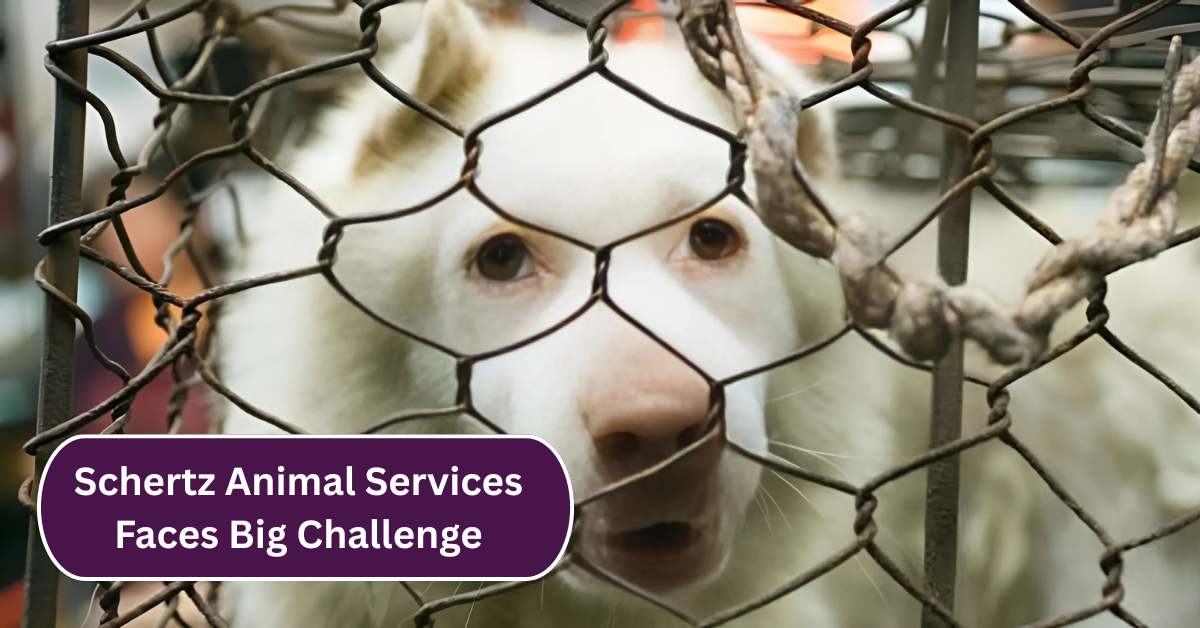

In many neighborhoods across India, people are growing more and more concerned about the rising number of aggressive dogs roaming freely. These dogs are not just a threat to children and adults but also to other animals in the area. Neighbors have started sharing frightening stories of attacks that left lasting scars, both physical and emotional. The fear is real, and it’s affecting the way people live their daily lives.
Some residents claim these dogs are so dangerous that they “leave bodies” in their wake, a phrase that captures the serious threat they pose. While stray dogs are common in Indian cities and towns, the aggressive behavior of certain packs has become a major public safety issue. It is important to understand why this violence happens and what can be done to protect our communities.
Why Are Some Dogs Becoming Vicious?
There are many reasons why dogs become aggressive. Often, dogs that live on the streets struggle to find food, shelter, and safety. When resources are scarce, fights break out between different packs or individuals. This creates a harsh environment where only the strongest survive, increasing aggression habits.
Another factor is the lack of proper care and vaccination. Sick, injured, or starving dogs tend to be more defensive and dangerous. Without anyone to look after them, these dogs can feel threatened by people or other animals trying to come near them. This fear can easily turn into attack mode.
Neighbors Speak Out: Real-Life Experiences
Many residents have shared their personal encounters with vicious stray dogs. One young mother explained how she avoids taking her children to the park because of the fear that packs of aggressive dogs might attack. Another elderly man described an incident where a group of dogs cornered him near his home, forcing him to run for safety.
Dog attacks can cause serious injuries, sometimes requiring hospitalization. More than physical harm, these experiences leave psychological trauma on victims and their families. Fear increases, limiting freedom and affecting social life as people try to stay indoors as much as possible to avoid danger.
How Communities Are Responding
In some areas, local residents have joined hands to tackle this problem. They organize drives to catch and vaccinate stray dogs, working with animal welfare groups to ensure these animals are treated humanely instead of being harmed. Awareness campaigns about responsible pet ownership also help reduce the number of dogs abandoned on the streets.
Some neighborhoods have implemented early warning systems where people can report aggressive dogs. This information helps local authorities take quick action and protect residents. However, many citizens believe more government support is needed to handle the growing stray dog population effectively.
What Can You Do If You Encounter Vicious Dogs?
If you come across an aggressive dog, the best advice is to stay calm and avoid sudden movements. Running or screaming might provoke the dog to chase or attack you. Instead, try to slowly back away without turning your back on the dog. Carrying a stick or pepper spray (where legal) can help protect yourself if an attack looks unavoidable.
Teach children about dog safety and encourage them not to approach unfamiliar dogs. Reporting aggressive dogs to local authorities or animal control can also make a difference in your community. Together, these small steps can help reduce the risk of attacks and keep everyone safer.
The Bigger Picture: Stray Dog Population in India
India has a large population of stray dogs, estimated to be in tens of millions. Many are friendly and harmless, however, controlling the number of dangerous dogs is important for public health. Stray dogs also risk spreading diseases like rabies, which can be fatal without prompt treatment.
The government and animal welfare organizations are working on programs like Animal Birth Control (ABC) to humanely manage stray dog populations through sterilization and vaccination. But these efforts require funding, manpower, and community cooperation to succeed fully.
Hope for Safer Neighborhoods
While the problem of vicious dogs might seem alarming, progress is possible with awareness and action. Neighbors can work together with officials and NGOs to create safer spaces for people and animals alike. Education on handling dogs and responsible pet ownership will also reduce aggressive behavior over time.
As communities unite in this cause, fear will give way to confidence. Streets and parks can become welcoming places again, free from the threat of dangerous dogs. After all, a safer neighborhood means a better quality of life for everyone living there.