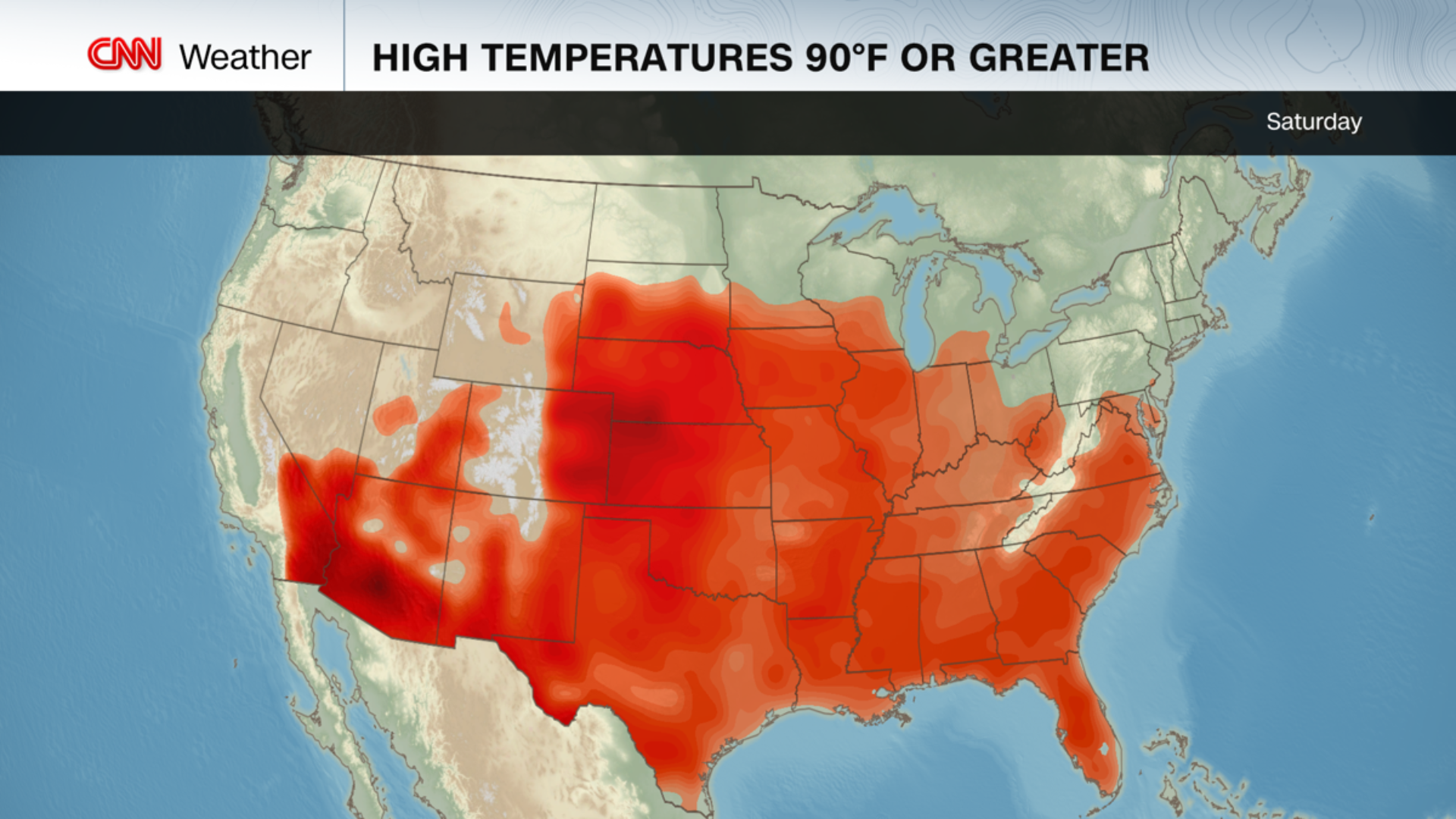
The Desert Southwest is experiencing a severe heatwave as a powerful heat dome settles over the region. This intense weather pattern has caused temperatures in Phoenix and Tucson to soar dramatically, raising concerns about health and safety. Local authorities have responded by upgrading the excessive heat warnings to alert residents and visitors to the dangerous conditions.
With highs expected to reach near 118°F, this heat wave is among the strongest in recent years. Such extreme temperatures can be risky, especially for the young and elderly. It is crucial for everyone to understand the dangers, follow safety tips, and stay hydrated while navigating this unusually hot weather.
What Is a Heat Dome and Why Does It Matter?
A heat dome happens when a strong high-pressure system traps hot air in one area, like a lid on a pot. This causes the temperature to rise and stay high for several days. In the Desert Southwest, the dry and sunny environment makes this effect even stronger, pushing daytime temperatures to dangerous levels.
This natural phenomenon can lead to prolonged periods of extreme heat, which can strain power grids, increase water demand, and create health risks. Understanding a heat dome helps locals prepare better and take recommended precautions.
Upgraded Excessive Heat Warning in Phoenix and Tucson
The National Weather Service has upgraded the heat warning for Phoenix and Tucson from a heat advisory to an excessive heat warning. This means that conditions are not just hot but dangerously so, with temperatures expected near 118°F, making outdoor activities risky.
People living in these cities should take the warnings seriously. The heat warning means you must avoid exposure to the sun during peak hours, drink plenty of water, and watch out for symptoms of heat-related illnesses like dizziness or nausea.
How High Temperatures Affect Daily Life in the Desert Southwest
Extreme heat like this changes daily routines. Schools, workplaces, and outdoor events might face disruptions. Many people try to limit their time outside, especially during midday when the sun is strongest. Businesses that rely on outdoor work can see delays or cancellations.
For the younger generation in particular, it’s important to be informed and prepared. Whether it’s students attending summer classes or professionals commuting in the heat, staying cool and hydrated can make a big difference in feeling well and avoiding heat stress.
Health Risks and How to Stay Safe
Heat exhaustion and heat stroke are two serious risks during extreme heat. Symptoms include heavy sweating, weakness, headache, and even confusion. If anyone shows these signs, immediate cooling and medical attention are necessary.
To stay safe, avoid direct sunlight during the hottest part of the day, wear lightweight and loose-fitting clothes, and drink water regularly. Fans, air conditioners, and shaded places are your best friends when temperatures reach above 110°F.
Tips for Keeping Cool and Comfortable
Here are simple tips that can help you beat the heat:
- Drink plenty of water, even if you don’t feel thirsty.
- Avoid caffeine and alcohol as they can dehydrate you.
- Wear a wide-brimmed hat and sunglasses if you have to go outdoors.
- Take breaks indoors or in shaded areas often.
- Use damp cloths on your skin or take cool showers to lower body temperature.
Why Younger People Should Pay Attention to Heat Warnings
Many young people often feel they are less affected by heat, but extreme temperatures can be dangerous for everyone. Sports activities, outdoor fun, and work during heat domes require extra care. Heat affects concentration and energy, so it can impact school, work, and social life.
Staying informed about local weather alerts and making smart choices like avoiding the hottest parts of the day can help young people stay safe without missing out on important responsibilities or fun.
The Environmental Impact of Prolonged Heat Waves
Heat domes don’t just affect humans; they can also cause stress on local wildlife and plants. Prolonged heat dries out soil and vegetation, increasing the risk of wildfires. Water sources might dry up faster, affecting animals and people who rely on them.
Understanding these environmental effects is important for all residents. Conserving water and being careful with fire sources are small actions that help protect the wider ecosystem during extreme heat events.
Conclusion: Preparing Smartly for the Heat Dome
The current heat dome over the Desert Southwest is a major weather event with serious consequences. Phoenix and Tucson’s excessive heat warnings signal that this is not normal heat but an emergency situation. Taking preventative measures seriously can protect your health and comfort.
By staying hydrated, seeking shade, and following official guidelines, you can stay safe and make it through this intense heatwave. Remember, knowledge and preparation are the best ways to beat the heat and avoid problems during the hottest days of the year.