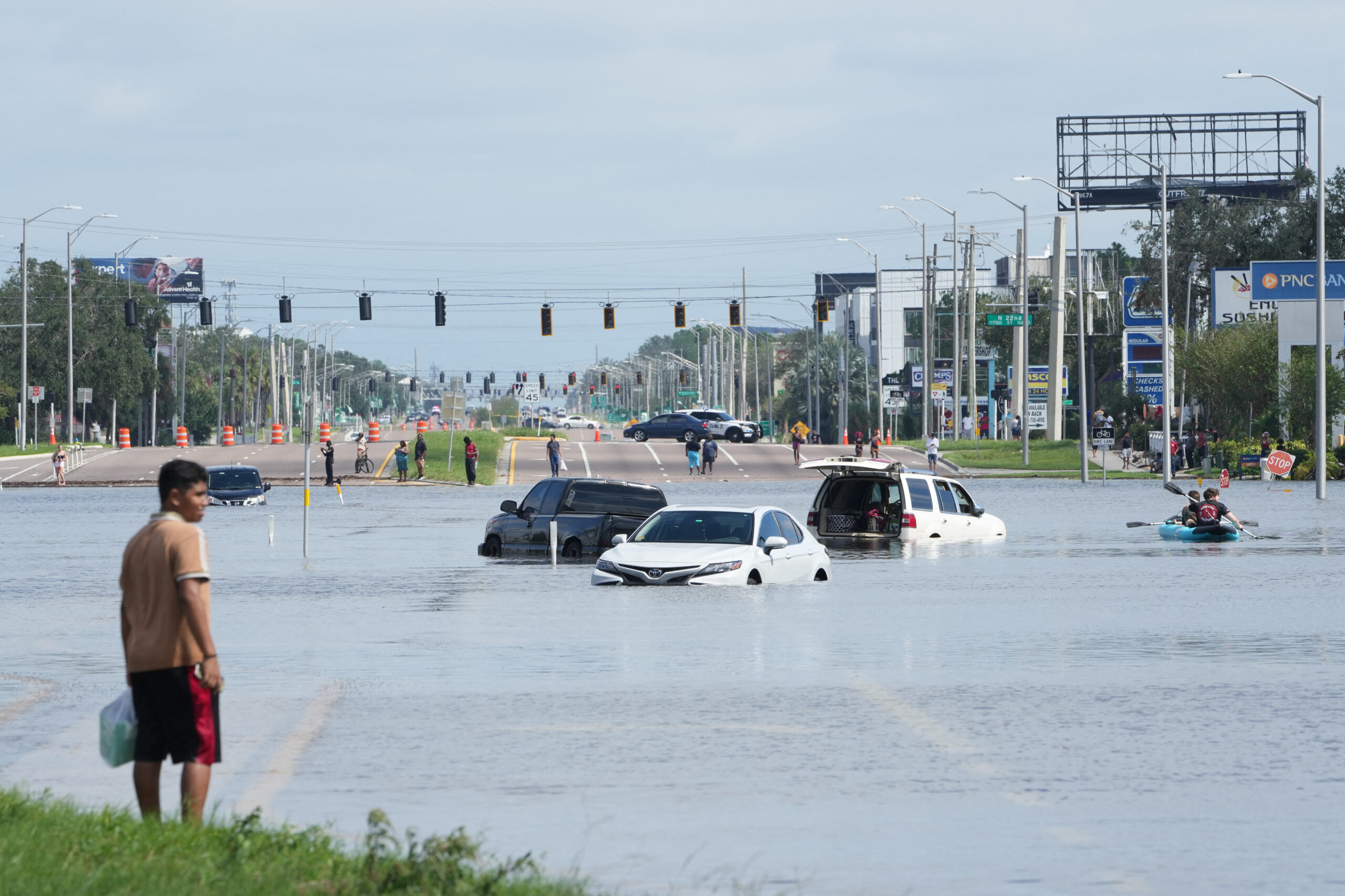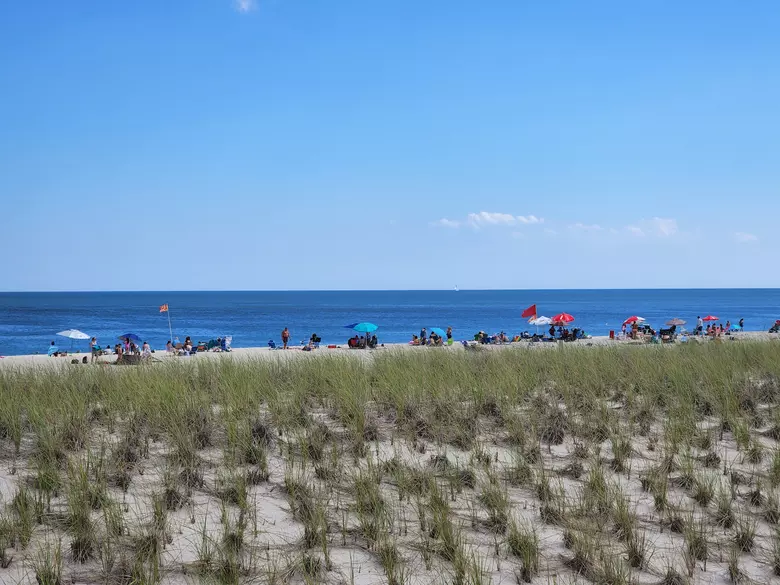

Residents and visitors of Cape Cod and Martha’s Vineyard need to be alert as a coastal flood advisory is currently active. This warning comes ahead of a combination of natural events – a king tide paired with a strong south swell – which are expected to raise water levels and threaten low-lying waterfront areas. These conditions may lead to temporary flooding along the coast and disruptions for those living or traveling near the shore.
Understanding these weather events can help people prepare better and stay safe. Whether you are a local or just visiting, it’s important to know what a king tide and south swell mean and how they can affect the coastlines. This article explains everything you need to know about the current advisory and what steps you can take to protect yourself and your property.
What Is a Coastal Flood Advisory?
A coastal flood advisory is a warning issued by weather authorities when coastal flooding is expected to impact a specific area. This does not usually mean severe flooding but indicates that minor flooding could occur, especially in low-lying regions. It is a signal to stay prepared and cautious around affected waterfronts, as conditions may become hazardous.
For places like Cape Cod and Martha’s Vineyard, where many homes and roads are close to the shoreline, even a small rise in water can cause inconvenience or damage. The advisory suggests residents should monitor forecasts closely and follow any local instructions or safety precautions during this period.
What Causes King Tides and South Swells?
King tides are the highest predicted tides that occur when the Earth, moon, and sun align in a way that creates stronger gravitational pull on the ocean. These tides cause water levels to rise higher than usual, sometimes leading to flooding of coastal areas.
South swells are large, powerful waves generated by weather systems far out at sea moving toward the coast from the south. When combined with a king tide, these swells can significantly increase the chances of water spilling onto land, especially in vulnerable spots.
Why Cape Cod and Martha’s Vineyard Are at Risk
Cape Cod and Martha’s Vineyard are known for their stunning coastlines but also for their vulnerability to tidal flooding. Both locations have many low-lying waterfronts with beaches, marinas, and residential areas close to sea level. When water levels rise, even slightly, these communities can be affected.
The combination of king tide and south swell during this advisory period causes an unusual increase in water height and wave energy. This means roads may flood, sewers can back up, and coastal properties face greater risk of damage. Preparing in advance is crucial to minimize impact.
How to Stay Safe During the Advisory
During a coastal flood advisory, it’s important to stay informed by checking reliable weather sources regularly. Avoid walking or driving through flooded streets, as water depth may be deceptive and dangerous. If you live near the coast, move valuable items to higher ground and have an emergency plan ready.
Local authorities may issue further warnings or instructions, so pay attention to updates on evacuation orders or road closures. Using common sense and caution will help keep you safe during this period of potential flooding.
Impact on Daily Life and Travel
The flooding may cause some disruption to daily activities, especially in coastal towns. Roads may be blocked or slippery, and access to beaches or waterfront businesses could be limited. Those traveling to Cape Cod or Martha’s Vineyard should plan ahead, allowing extra time for delays and avoiding low-lying routes.
Public transport and ferry services might also see changes depending on weather conditions. Staying informed through local news and service providers will help avoid inconvenience and make your trip smoother.
Environmental Effects to Consider
Besides the risk to people and property, coastal flooding can impact the local environment. Saltwater from the tide can flood parks, wetlands, and gardens, affecting plants and animals. There may also be temporary damage to beaches and shoreline structures.
Efforts to reduce human impact, like avoiding littering or disturbing natural areas, become even more important during flooding events. Respecting the natural cycle of tides while protecting the environment helps maintain these beautiful coastal regions for the future.
Preparing for Future Coastal Floods
Incidents like these remind us of the importance of preparation and resilience. Communities in Cape Cod and Martha’s Vineyard are actively working on improving flood defenses and warning systems. Residents can also take steps such as reinforcing property foundations and staying educated about local flood risks.
Getting involved in community safety programs and supporting environmental efforts will strengthen the area’s ability to handle king tides and storms. A proactive approach benefits everyone, from individuals to the whole community.
Final Words: Stay Alert and Stay Safe
The current coastal flood advisory for Cape Cod and Martha’s Vineyard is a serious reminder of nature’s power. King tides and south swells can cause flooding that affects many people and places. Keeping informed, following safety instructions, and respecting the environment are the best ways to handle this situation.
If you live in or plan to visit these beautiful coastal areas, remember to stay cautious, watch the weather closely, and prepare for possible flooding. This way, you can enjoy the charm of the coast while staying safe during this advisory period.