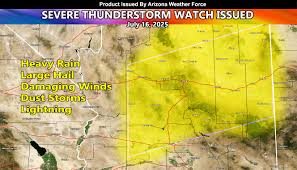
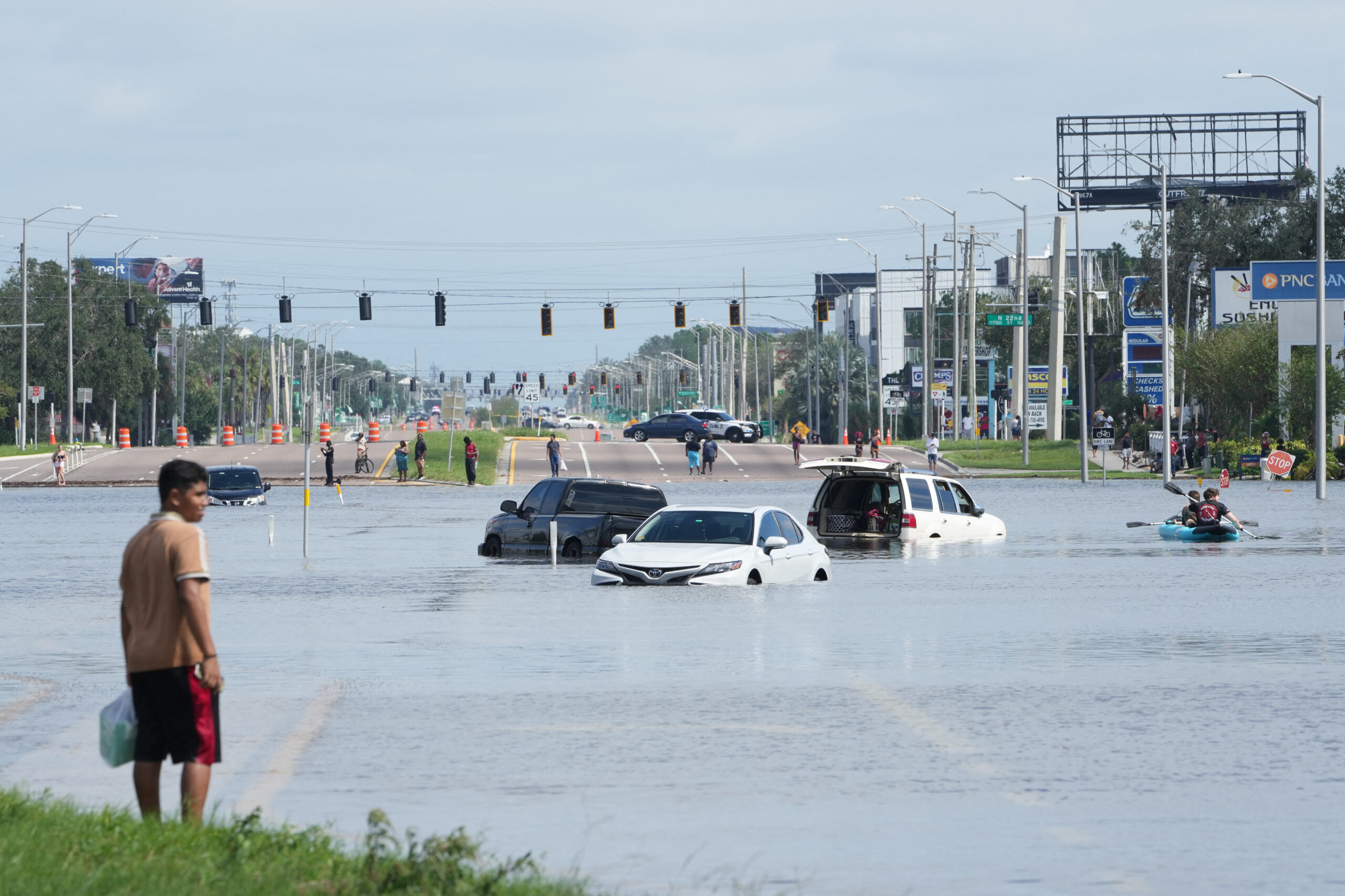
Homeowners across the United States are feeling the pressure as insurance premiums rise sharply, driven by an increase in extreme weather events such as hurricanes, wildfires, and floods. These increasingly common natural disasters are forcing insurance companies to revise their risk assessments, leading to higher costs for policyholders. Many families are finding it hard to keep up with these hikes, raising concerns about the future stability of home insurance markets.
With no relief in sight, the rising costs are more than just a financial burden — they affect homeowners’ peace of mind. Insurance plays a crucial role in protecting homes from nature’s unpredictable attacks, but when premiums become too expensive, people may be forced to take risks or leave their properties uninsured. This growing challenge highlights the urgent need for better understanding and innovative solutions in managing weather-related risks.
Why Are Insurance Costs Increasing?
Insurance companies base their premiums on risk levels, and as extreme weather events become more frequent and severe, the risks increase significantly. According to the National Hurricane Center, hurricanes have grown stronger and more damaging over the last decade. Similar trends are seen with wildfires and heavy floods, which cause billions of dollars in damage annually.
Insurers now face higher claims payouts, which mean they must raise premiums to stay financially stable. The Insurance Information Institute explains that insurers have started withdrawing from high-risk areas or limiting coverage, pushing customers into expensive, limited options.
How Are Homeowners Being Affected?
Many homeowners are experiencing a steep rise in their insurance bills. For young or first-time buyers, this increase can be discouraging, affecting their ability to afford and maintain homes. Areas prone to flooding or wildfires might see insurers refuse coverage or raise prices to the point where insurance becomes unaffordable.
Some homeowners are forced to look for alternative policies or government-backed insurance programs, but these solutions may not fully cover their needs or could come with high deductibles and restrictions. As reported by Reuters, this situation creates instability, especially in vulnerable communities.
What Can Be Done to Manage These Challenges?
To help control rising insurance costs, homeowners can take proactive measures to reduce risks. Strengthening homes against floods or fires and investing in safety upgrades can sometimes lead to discounts on insurance premiums. Staying informed about local weather risks and choosing the right coverage is also critical.
On a larger scale, policymakers and insurers need to develop new models to better predict and manage climate-related risks. Increased investment in climate resilience and improved disaster management infrastructure can help mitigate future impacts. Supporting community-based risk reduction programs may also make insurance more accessible and affordable over time.
The Road Ahead: Finding Hope Amid Rising Costs
While there is currently no end in sight to rising homeowner insurance costs due to climate change, awareness and action can help ease the burden. Young homeowners and those affected mostly need clear information and resources to make informed decisions about protecting their homes.
Continuing research on weather trends and insurance innovations promises to bring new solutions. Meanwhile, understanding the reasons behind rising costs and what can be done at an individual and policy level will help families better prepare for the future.