North Dakota residents should prepare for potentially severe weather this Thursday. Meteorologists are forecasting strong storms that may bring heavy rain, hail, and damaging winds. This weather could disrupt daily routines and cause safety concerns, so staying informed is essential.
With springtime often comes unpredictable weather changes in the region. Officials are urging people to stay alert, follow weather updates closely, and take precautions where necessary. Understanding the risks and how to respond can make a significant difference during severe weather events.
What the Weather Forecast Means for North Dakota
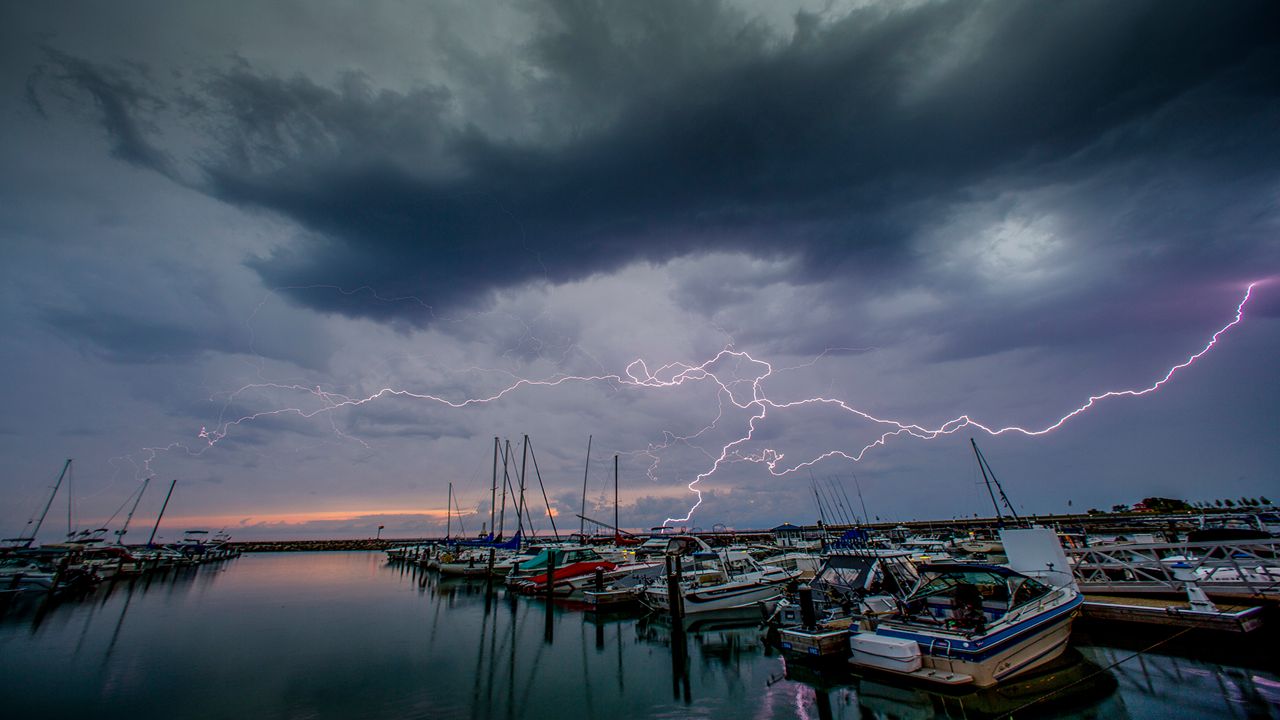
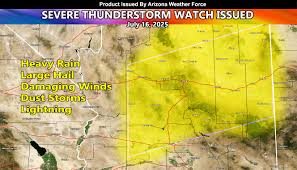
The National Weather Service (NWS) has issued a severe weather outlook for parts of North Dakota on Thursday. According to the [NWS Storm Prediction Center](https://www.spc.noaa.gov/), there is a moderate risk of thunderstorms, and some could turn severe in certain areas. These storms have the potential to produce large hail, strong wind gusts exceeding 60 mph, and even isolated tornadoes.
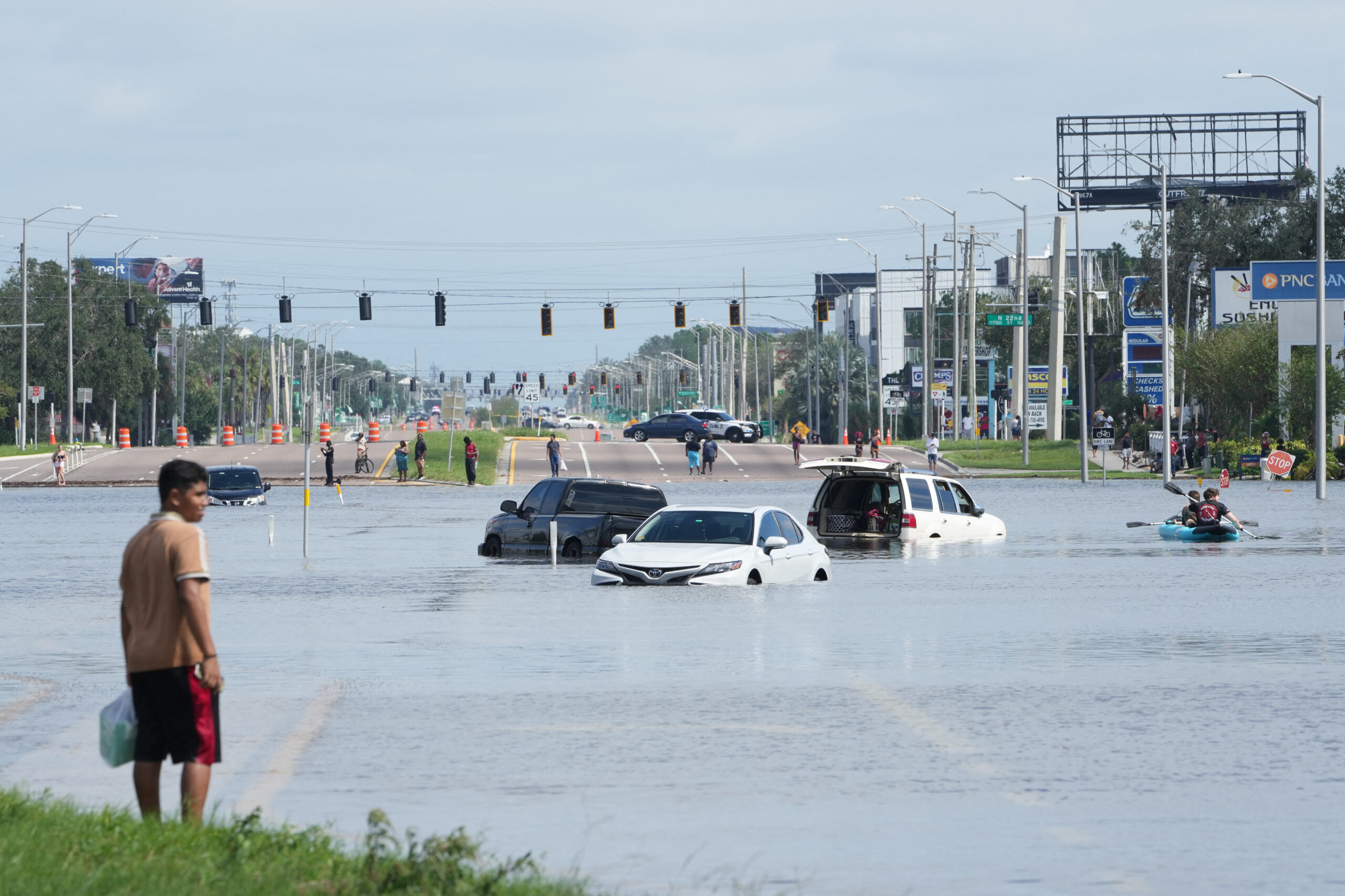
Heavy rainfall accompanying these storms might lead to flash flooding in low-lying regions. Flooding creates hazards for drivers and pedestrians alike, particularly if storm drains fail to keep up with rainfall. The combination of wind, rain, and possible hail means residents should be cautious about outdoor activities and travel plans.
Why Severe Storms Might Occur This Thursday
This upcoming weather event is driven by a clash of warm, moist air moving north from the south and cooler, drier air descending from Canada. When these air masses meet, they create instability in the atmosphere, which fuels thunderstorm development. This setup is common in North Dakota during seasonal transitions such as spring.
Wind shear, which refers to changes in wind direction and speed at different altitudes, also plays a role in the development of severe storms and tornadoes. The conditions are favoring enough wind shear to warrant attention from weather agencies and forecasters.
Tips to Stay Safe During Severe Weather
Being prepared can help protect you and your family during severe weather. Here are some important safety tips to consider:
- Monitor trusted weather sources like the [National Weather Service](https://www.weather.gov/) for real-time updates and warnings.
- Have an emergency kit ready with essential supplies such as water, non-perishable food, flashlights, batteries, and a first aid kit.
- Secure outdoor items that could become projectiles in high winds.
- Plan where to take shelter in your home. Basements or interior rooms without windows are safest during tornadoes and strong winds.
- Avoid driving during heavy rain or when severe weather warnings are in effect. If caught in flooding, never attempt to cross floodwaters.
Understanding Weather Alerts and Warnings
Weather alerts can help you know when to take action. Watches mean conditions are favorable for severe weather but not yet occurring, while warnings indicate that severe weather is imminent or happening in your area. Pay close attention to these alerts through your phone, radio, or TV to remain alert.
Local authorities may issue evacuation orders or close roads if necessary. Always follow their guidance to ensure safety for yourself and your community.
Looking Ahead: What to Expect After Thursday
Following the severe weather threat, cooler and calmer conditions will likely return to North Dakota. Temperatures may drop slightly, and rain chances will decrease. However, it’s important to stay cautious for aftereffects such as flooded roads and downed power lines.
Storm damage assessments and cleanup efforts may continue into the weekend. Staying informed and prepared throughout the spring season will help residents face these challenges more confidently.
Stay Informed with Trusted Weather Resources
For the latest updates on the severe weather situation in North Dakota, visit official websites like the National Weather Service and the Storm Prediction Center. These sources provide accurate, real-time information critical to your safety.
Remember, staying aware and following safety recommendations can greatly reduce the risks posed by severe weather events. Keep your emergency plan ready, and be prepared to act quickly if necessary.