
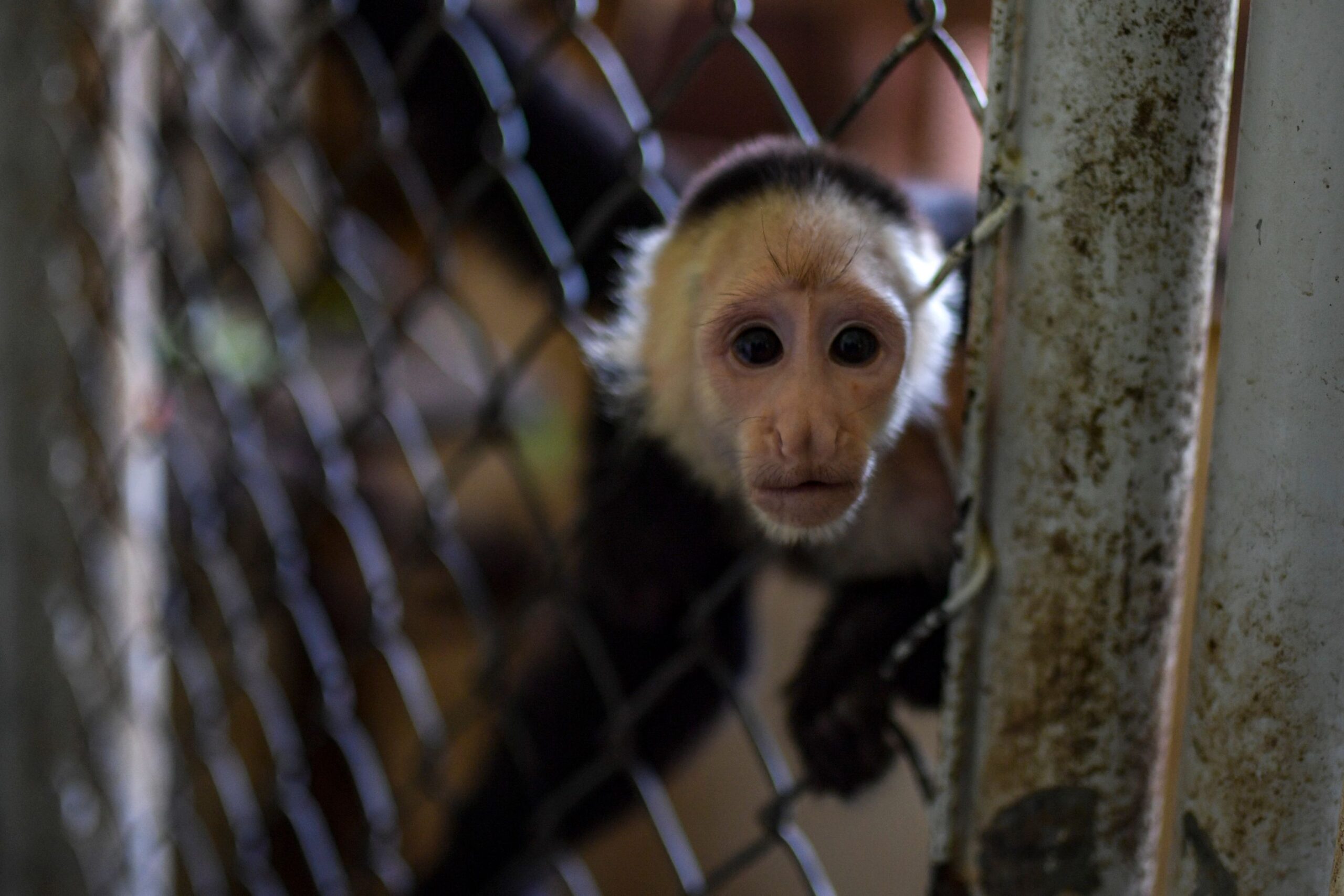
The ownership and trade of nonhuman primates as pets has been a controversial topic for many years. Recently, California has taken a strong stand against this practice by proposing a ban that could influence laws across the entire United States. This move aims to protect captive primates and ensure their safety and well-being, reflecting growing concerns about the ethics and risks involved.
As more people become aware of the challenges faced by primates in captivity, the proposed Captive Primate Safety Act is gaining attention. The law targets the sale and ownership of these animals, hoping to reduce cruelty and the dangers associated with keeping wild animals as pets. This article explores the key details of this important legislation and what it means for pet owners and primate welfare.
What Is the Captive Primate Safety Act?
The Captive Primate Safety Act is a proposed federal law that seeks to ban the commercial trade of nonhuman primates across the United States. This includes buying, selling, and transporting monkeys and apes for private ownership as pets. The act focuses on reducing illegal and unethical practices related to primate trade and discouraging people from keeping these wild animals in their homes.
California already has strict regulations on primate ownership, but if this bill passes, it could set a national standard. The act targets issues like the mistreatment of animals, the spread of diseases, and the safety risks posed to both primates and humans. It aims to close loopholes that allow primate sales to happen in some states.
Why Are Nonhuman Primates Not Suitable as Pets?
Many people may think primates make interesting pets because of their intelligence and playful nature. However, these animals are not like domestic pets such as dogs or cats. Primates have complex social, emotional, and physical needs that are very hard to meet in a home environment.
Keeping primates as pets can lead to serious problems. They may become aggressive, cause injury, or suffer from stress and poor health. In addition, primates can carry diseases that are dangerous to humans. The risks outweigh the benefits, which is why experts strongly advise against owning these animals privately.
The Role of California in Primate Trade Legislation
California has been a leader in animal welfare laws for many years. It was one of the first states to regulate primate ownership, requiring strict permits and setting clear rules to protect primates. Now, California’s recent push to ban primate trade nationally could inspire other states to follow its example.
The state’s campaign emphasizes education, public health, and animal rights. By banning the trade and sale of primates, California hopes to reduce the number of animals kept in unsuitable conditions and stop the illegal pet trade. This approach highlights the responsibility of lawmakers to protect both animals and people.
Potential Impact on Pet Owners and the Pet Industry
If the Captive Primate Safety Act becomes law, it could change how pet stores and private individuals manage primate animals. Many who currently keep primates will need to find alternative solutions, such as relocating animals to accredited sanctuaries or zoos where they can receive proper care.
This change may also affect the pet industry by shutting down businesses involved in primate sales. Although such businesses are not very common, the law sends a strong message against turning wild primates into pets. The pet community will likely see increased awareness about the ethical treatment of all animals.
How This Ban Aligns with Global Wildlife Protection Efforts
Across the world, governments and organizations are working hard to protect wildlife and prevent illegal trade. The proposed ban in the US fits within this larger effort to stop the exploitation of wild animals for private gain. Many countries already restrict or ban primate ownership, and the United States may soon join them.
This global cooperation helps protect endangered species and reduces the demand for illegally captured animals. By supporting such laws, citizens and governments contribute to stronger conservation and animal welfare worldwide.
What Can You Do to Support Animal Welfare?
If you care about primates and animal welfare, there are simple ways to contribute to positive change. You can stay informed about laws that protect animals and support organizations working for their safety. Avoid buying or encouraging the trade of wild animals as pets, and spread awareness among your friends and family.
Volunteering with local animal shelters or wildlife groups can also make a difference. Together, communities can build a culture that respects and protects animals, helping ensure a better future for all living creatures.
Conclusion: A Step Forward for Animal Safety and Rights
The proposed Captive Primate Safety Act represents an important shift in how the US views primate ownership and trade. By following California’s lead, this law aims to protect primates, reduce health risks, and promote ethical treatment of animals on a national scale.
For younger readers and pet lovers, understanding these changes is key to supporting a safer and kinder world for animals. Banning the primate trade reminds us that wild animals belong in their natural habitats, not as pets in homes. This legislation is a hopeful sign of progress toward a more responsible and compassionate society.