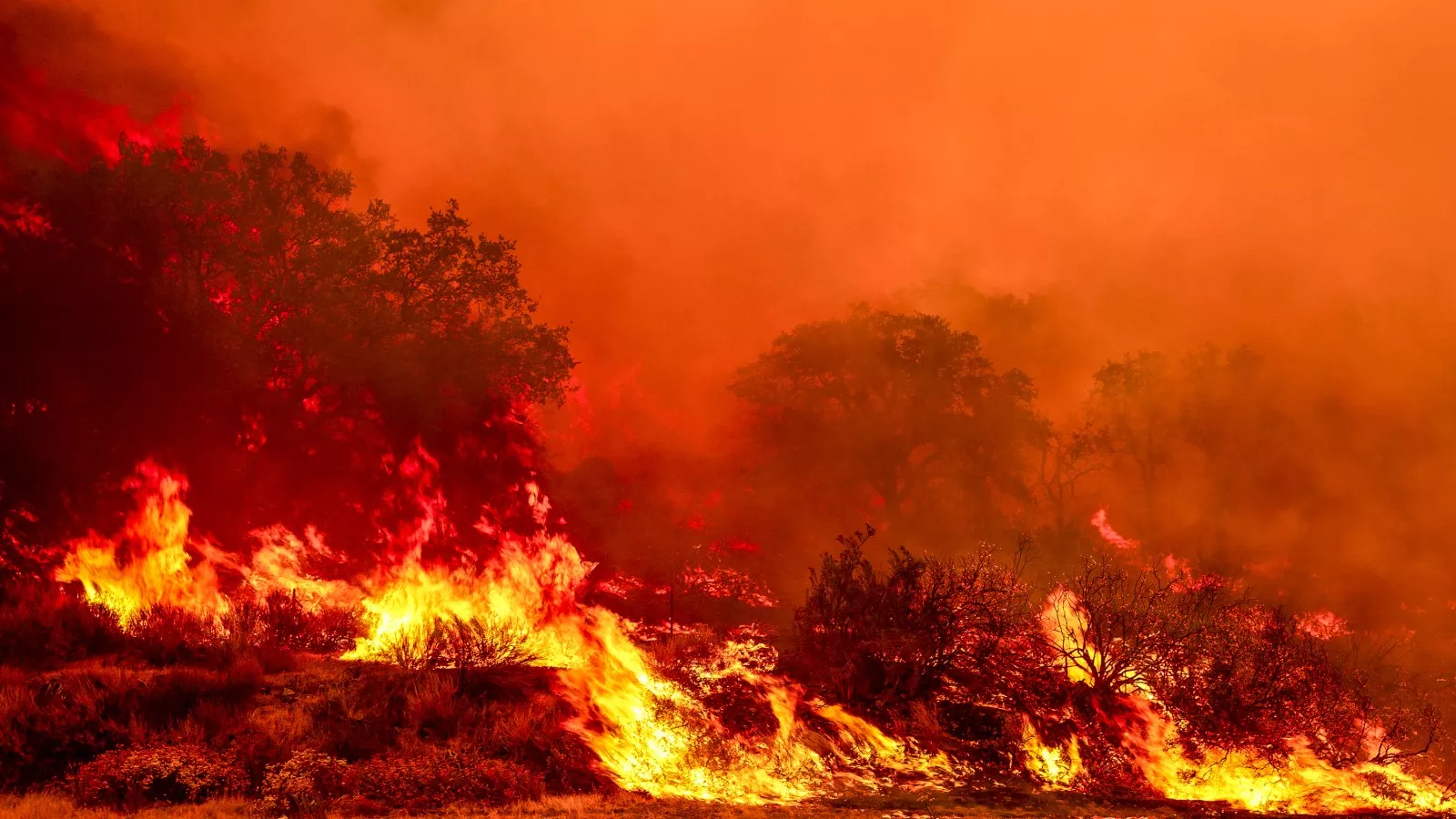
Wildfires in Colorado continue to rage uncontrollably, with the Lee Fire expanding rapidly to cover more than 100,000 acres. This increase comes amid “near-critical” weather conditions that are making it extremely difficult for firefighters to manage the blaze. The growing fire has triggered widespread anxiety across local communities and emergency responders, highlighting the serious threat posed by this natural disaster.
The Lee Fire’s intensification is a stark reminder of the increasing wildfire risks in the western United States, especially due to dry, hot conditions combined with strong winds. As the situation evolves, residents are urged to stay vigilant and follow updates from official sources. Efforts to contain the fire are ongoing, but the near-critical weather is complicating these operations significantly.
What Is Causing the Lee Fire to Grow So Quickly?
The Lee Fire’s rapid growth is driven by combination factors such as dry vegetation, low humidity, and strong gusts of wind. These elements create what experts call “near-critical” weather conditions, meaning the fire can spread suddenly and unpredictably. According to the National Weather Service, gusty winds and dry air have been persistent in the area, fueling the fire’s aggressive expansion (source: National Weather Service).
Such weather conditions make firefighting efforts more dangerous and less effective. The terrain in Colorado also plays a role, with steep slopes and dense forests providing plenty of fuel for the flames. Fire managers are deploying additional resources, but they face a tough battle against both nature and time.
How Are Authorities Responding to the Growing Threat?
Local and federal agencies have stepped up their response by increasing the number of personnel and equipment on the ground. Air tankers and helicopters are being used to drop water and fire retardant across the fire zone. The U.S. Forest Service has been actively coordinating with state and local firefighting teams to improve containment strategies.
Evacuations have been ordered for some communities in the fire’s path, with officials urging residents to leave early to avoid last-minute chaos. Emergency shelters have been set up, and efforts to keep the public informed remain a key priority. The Colorado Division of Fire Prevention and Control provides frequent updates via their official website and social media channels (source: Colorado Wildfire Updates).
The Impact on Local Communities and Environment
The Lee Fire is not just burning acres of forest but also threatening homes, wildlife habitats, and critical infrastructure. Power outages and road closures have affected thousands of people nearby, disrupting daily life and local economies. Schools and businesses in the evacuation zones are closed until further notice, adding to residents’ challenges.
The environmental impact is equally concerning. Large wildfires can cause soil erosion, water pollution, and loss of biodiversity that may take years to recover. The smoke from the fire also poses significant health risks, especially to children, elderly individuals, and people with respiratory conditions. Air quality alerts have been issued to keep residents informed about unsafe conditions.
Why Should Indian Readers Follow Colorado’s Wildfire Situation?
While wildfires like the Lee Fire seem distant from India, they highlight global challenges related to climate change. Rising temperatures and shifting weather patterns around the world are increasing the risk of such natural disasters everywhere. This can serve as a cautionary tale for young people everywhere about the importance of environmental protection.
Moreover, with many Indians traveling or living abroad, it’s helpful to stay updated on major events affecting safety and environment in countries like the USA. The wildfire crisis also opens up discussions about sustainable living, emergency preparedness, and the vital role of community support during disasters.
What Can We Learn From This Wildfire Crisis?
The Lee Fire underscores the need for strong wildfire management policies and widespread public awareness. Supporting reforestation efforts, following evacuation orders, and promoting responsible outdoor behavior can all help reduce future wildfire risks. Technology, such as early detection systems and advanced weather forecasting, is also becoming crucial in controlling fires early.
Additionally, this event encourages younger generations to think about how human actions impact the environment and what can be done to prevent such disasters from worsening. Starting conversations about climate action and disaster readiness can lead to healthier, safer communities both in India and abroad.
Stay Updated and Stay Safe
If you want to keep track of the Lee Fire and other wildfire situations in the US, reliable sources like the National Interagency Fire Center (NIFC) offer real-time updates and educational resources. Watching how authorities manage these fires also provides valuable lessons about resilience in the face of natural challenges.
As the situation develops, remember that safety comes first. Whether in the US or India, being informed, prepared, and responsive is the best way to handle crises like wildfires. Stay tuned to trusted news sources and follow official instructions to help protect yourself and your loved ones.