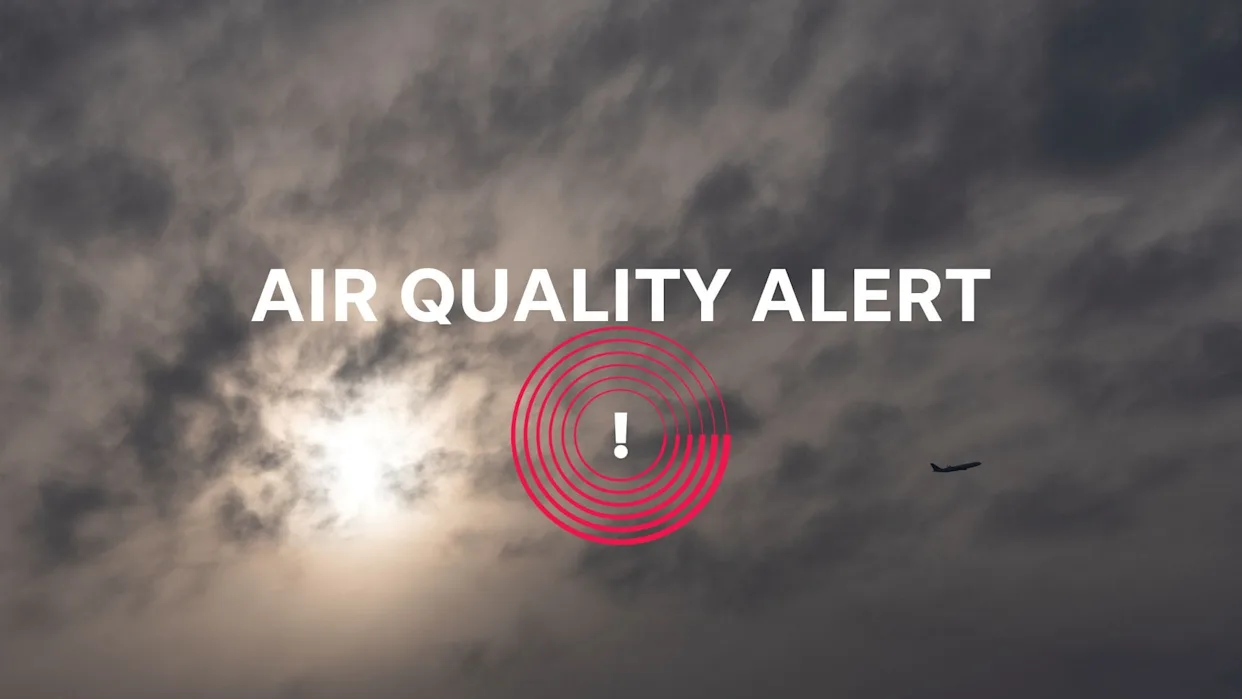
The Mid-Atlantic region is currently facing a serious air quality crisis as smoke from nearby wildfires has caused the air to become polluted and unhealthy. Residents are noticing thick haze and a significant rise in harmful particles in the air, making it risky to spend time outdoors. This sudden shift has alarmed health officials who are urging everyone to take necessary precautions.
Whether you live in cities or smaller towns across the eastern United States, the smoky air affects everyone’s breathing and wellbeing. Young people, older adults, and those with respiratory problems should be especially careful. As visibility worsens and pollution levels spike, staying indoors and avoiding heavy physical activity is the best way to protect your health right now.
What Caused the Mid-Atlantic Air Quality to Decline?
The main reason behind the poor air quality is smoke drifting from wildfires in nearby states. These fires have released large amounts of smoke particles and gases into the atmosphere. Wind patterns have carried this smoke into the Mid-Atlantic, creating thick haze and increasing the concentration of fine particulate matter, known as PM2.5.
PM2.5 particles are very small and can penetrate deep into the lungs, causing breathing difficulties and worsening health conditions. The rise in these particles has pushed the air quality index into the “Unhealthy” category for several days. This means it is no longer safe for sensitive groups or even the general public to stay outdoors for long periods.
Understanding the Air Quality Index (AQI) Levels
The Air Quality Index, or AQI, is a tool used to measure how clean or polluted the air is. It helps people understand the potential health effects of the air around them. The AQI scale ranges from “Good” to “Hazardous,” with intermediate levels like “Moderate,” “Unhealthy for Sensitive Groups,” and “Unhealthy.”
Currently, the Mid-Atlantic is recorded at the “Unhealthy” level. This means that everyone may experience health effects, and sensitive groups such as children, elderly people, and those with asthma or lung diseases may face more serious issues. Air quality at this level calls for limiting outdoor activities and paying close attention to any breathing problems.
Health Risks Associated With Poor Air Quality
Exposure to smoke and fine particles can cause irritation in the eyes, nose, and throat. It may also lead to coughing, wheezing, and difficulty breathing. People with pre-existing respiratory problems such as asthma and bronchitis are more vulnerable to these effects. Even healthy individuals can feel tired and notice reduced lung function when exposed to polluted air over time.
Long-term exposure to such air pollution has been linked to heart problems and lung diseases in many studies. Children’s developing lungs are especially sensitive, so parents should take extra care to protect them. In the current situation, minimizing exposure is the best way to avoid these health risks.
Safety Tips for Residents During the Smoke Surge
It is important to follow simple yet effective precautions to keep yourself and your family safe. First and foremost, stay indoors as much as possible to avoid direct contact with polluted air. Close all windows and doors to prevent smoke from entering your home. Using air purifiers with HEPA filters can help improve indoor air quality.
If you must go outside, try wearing masks designed to filter out fine particles, such as N95 respirators. Avoid outdoor exercise and strenuous activities which raise your breathing rate and increase inhalation of harmful particles. Keep medications like inhalers close by if you have asthma or lung conditions and seek medical help if breathing becomes difficult.
How Young People Can Stay Informed and Safe
Younger people often enjoy outdoor activities and social gatherings, but during times of poor air quality, staying informed is crucial. Download air quality apps or follow local news updates for real-time AQI readings in your area. Understanding the current air quality level helps you plan your day safely.
Schools and colleges may change their schedules or restrict outdoor sports during unhealthy air conditions. Follow these guidelines strictly and encourage your friends and family to do the same. Social media can also be a good platform to share safety tips and raise awareness about protecting lung health.
Government and Community Efforts to Combat Poor Air Quality
Local governments and environmental agencies are monitoring the situation closely while advising residents on how to stay safe. Emergency services and health departments issue warnings and recommend sheltering indoors during peak pollution hours. Some areas have set up clean air centers offering safe spaces with filtered air.
Communities are also encouraged to reduce other sources of pollution, such as avoiding burning trash or using vehicles unnecessarily, which can worsen air conditions. Long-term, increasing green cover and enhancing wildfire management can help reduce such hazardous events in the future.
What to Expect in the Coming Days
The smoke’s impact on the Mid-Atlantic air quality depends largely on weather conditions like wind direction and rain. If rains come soon, they could clear out the smoke and improve air quality. However, dry and windy weather will continue to spread the haze.
Health experts advise keeping an eye on daily air quality reports and staying prepared for changes. If air quality improves, outdoor activities can gradually resume, but it’s important not to rush. Continuing good habits like monitoring AQI and using protective measures can make a big difference in long-term health.
Conclusion
The recent surge in smoke and particle density has pushed the Mid-Atlantic region’s air quality to unhealthy levels, putting the health of residents at risk. Staying indoors, using air purifiers, and minimizing outdoor activities are key steps to stay safe. Awareness and timely action, especially among the youth, can reduce health impacts during this challenging period.
While this situation is temporary, it highlights the importance of clean air for a healthy life. By following safety tips and supporting pollution control efforts, we can all contribute to a healthier environment. Keep checking updates, take care of your lungs, and encourage others to do the same.