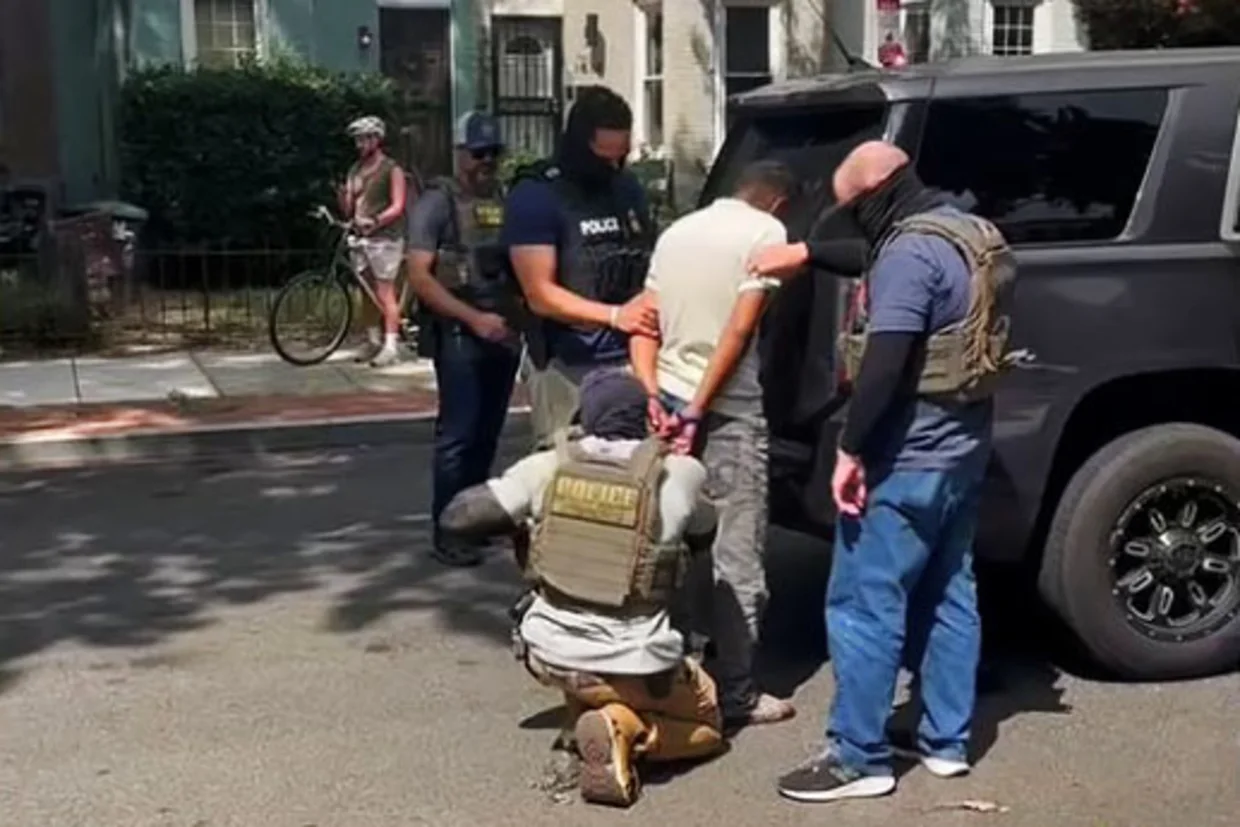
In recent weeks, Washington DC has seen a sharp increase in police actions against food delivery drivers working popular services like Uber Eats and DoorDash. Drivers say they are being stopped repeatedly, their vehicles searched, and sometimes even removed from the streets without clear reasons. This surge in enforcement is causing worry among many workers who depend on delivery gigs for their livelihood.
The aggressive approach by police has sparked concern not only among drivers but also within local communities that rely heavily on food delivery, especially during the ongoing pandemic. Delivery drivers feel targeted and vulnerable, creating a climate of fear that impacts their ability to work safely and earn a living. This situation highlights the challenges gig workers face in balancing safety and police scrutiny.
Why Are Delivery Drivers Being Targeted?
According to sources like The Washington Post, police have been cracking down on food delivery drivers under the pretext of enforcing licensing and traffic violations. However, many drivers and advocates argue that these actions often lack transparency and fairness. Delivery drivers, many of whom belong to immigrant communities, feel singled out without proper explanation or clear communication.
The details shared by local news reports point to increased patrols targeting delivery workers in specific neighborhoods, leading to stops for minor infractions or paperwork checks. Drivers report that these encounters are time-consuming and stressful, sometimes resulting in fines or even car impoundments, which severely harm their ability to continue working.
The Impact on Drivers and the Larger Community
The crackdown is not only hurting the income of individual drivers but also affecting the broader food delivery ecosystem. Apps like Grubhub and Postmates have seen fewer active drivers in affected areas, leading to longer delivery times and customer dissatisfaction. Many drivers express a growing fear of being stopped by police, discouraging them from working in certain neighborhoods altogether.
Community members who rely on fast and affordable food delivery feel the knock-on effects, particularly during times when going out is not a safe option. Delivery drivers play a crucial role in supporting both families and local businesses, and when their work is disrupted, it creates a ripple effect impacting everyone.
Voices From the Drivers and Advocacy Groups
One delivery driver, speaking to NPR, shared how the constant police checks have left them anxious about livelihood and personal safety: “We just want to do our jobs without fear. This crackdown feels like we’re being pushed out.” Advocacy organizations have called for clearer guidelines and protections for food delivery workers, urging authorities to consider the importance of these jobs to the local economy and community welfare.
The delivery workforce largely consists of young people, immigrants, and part-time workers who rely on these gigs for flexible income. Experts suggest adopting a more balanced approach where public safety is ensured without unfairly targeting vulnerable workers. The National Employment Law Project recommends collaboration between city officials, police, and gig companies to create better protections and clear communication for delivery drivers.
What Can Be Done Moving Forward?
To resolve these tensions, city officials and police departments need to engage openly with delivery workers and their representatives. Creating clear, consistent rules that drivers can easily understand will help reduce fear and confusion on the streets. Additionally, training for police officers on the unique challenges faced by gig workers could foster more respectful enforcement practices.
Meanwhile, delivery companies can support their drivers by providing legal help and guidance in navigating encounters with law enforcement. Improving communication lines with drivers about regulations and rights will empower them and help build trust between delivery workers and authorities.
Ultimately, addressing this issue with fairness and understanding benefits everyone, from the hardworking delivery drivers to the customers depending on their services. By working together, the community can ensure safe streets where food delivery thrives without fear.
For more on this story, visit the Washington Post coverage and listen to driver interviews at NPR. The National Employment Law Project also offers insights into gig worker rights here.