Florida officials are considering reopening Apalachicola Bay for oyster harvesting by early 2026. This move aims to revive the once-thriving oyster industry that has faced severe challenges in recent years. For many local communities, oysters are not just food but a part of their culture and livelihood, making this news highly anticipated.
The decision to reopen Apalachicola Bay comes after years of environmental concerns and declining oyster populations. Officials say the region’s oyster beds have shown signs of recovery, and restarting harvesting could bring back jobs and boost the local economy. With careful management, this reopening might restore the balance between nature and industry in the bay area.
History of Apalachicola Bay’s Oyster Industry
Apalachicola Bay, located in the Florida Panhandle, has been famous for its oysters for centuries. The bay’s rich waters once supported a booming oyster industry, providing fresh seafood to local communities and beyond. The industry was a crucial part of Florida’s coastal economy, offering jobs for fishermen and workers in oyster processing plants.
However, starting in the early 2000s, factors like overharvesting, pollution, and changes in freshwater flows led to a dramatic decline in oyster populations. The situation worsened due to several droughts and natural disasters, further damaging the ecosystem. By 2012, oyster harvesting in the bay had nearly stopped, leaving many people out of work.
Environmental Challenges and Steps Toward Recovery
The decline of Apalachicola Bay’s oyster beds was largely due to environmental challenges. Reduced freshwater flow from the Apalachicola River, polluted runoff, and habitat destruction combined to create difficult conditions for oysters to thrive. Authorities also noted that increased salinity and diseases impacted oyster health negatively.
In response, scientists and local officials launched restoration projects, including oyster reef rebuilding and stricter fishing regulations. Water quality improvement efforts and collaboration with neighboring states have been essential. According to the Florida Fish and Wildlife Conservation Commission, these steps have contributed significantly to the recent signs of oyster recovery.
What the Reopening Means for the Local Economy
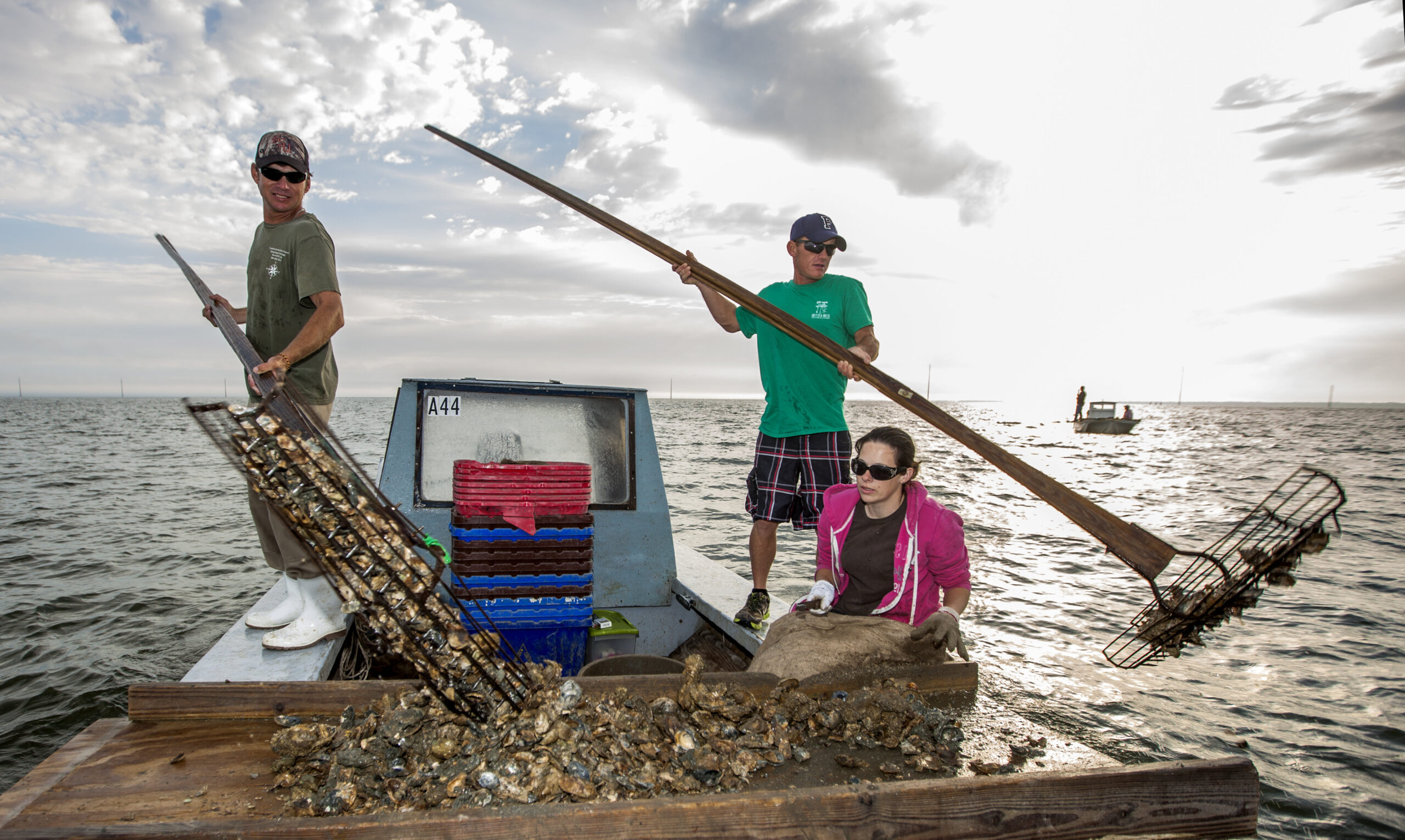
Reopening oyster harvesting in Apalachicola Bay could provide a much-needed boost to the local economy. The oyster industry supports hundreds of jobs in fishing, processing, and related businesses. It also attracts tourists who enjoy fresh seafood and local festivals centered around oysters.
Local fishermen and business owners have expressed hope that the reopening will bring stability and growth. “This is a chance to bring back a way of life that has been lost for many years,” said one oyster harvester featured in a report by NPR. With careful management and sustainable practices, the industry may flourish again, benefiting both people and the environment.
Sustainable Oyster Harvesting Practices for a Brighter Future
Officials are emphasizing the importance of sustainable oyster harvesting to ensure the industry’s long-term success. They plan to implement catch limits, seasonal restrictions, and close monitoring of oyster populations. These measures will help prevent overharvesting and protect the ecosystem for future generations.
Community involvement will also play a key role. Local stakeholders, including fishermen, scientists, and conservationists, are encouraged to work together. The Florida Department of Environmental Protection highlights that education and collaboration are vital to maintaining a healthy oyster industry.
Looking Ahead: What to Expect in Early 2026
Florida officials aim to finalize plans and open Apalachicola Bay for oyster harvesting in early 2026. Before that, ongoing assessments of oyster populations and water quality will determine the exact timing. The reopening is likely to happen gradually, ensuring that oyster beds remain healthy and productive.
For those interested in updates, agencies such as the Florida Fish and Wildlife Conservation Commission (FWC) and local news sources will provide the latest information. The reopening marks an exciting chapter for Florida’s coastal communities and a hopeful future for one of its most treasured natural resources.
References
Florida Fish and Wildlife Conservation Commission – Oyster Management
NPR – Florida Oyster Business Revival
Florida Department of Environmental Protection – Apalachicola Oyster Recovery