
New Jersey is experiencing its sixth heat wave of the year, bringing soaring temperatures and high humidity to the state. Residents are urged to take precautions as the heat is expected to last several days, making it important to stay hydrated and avoid prolonged outdoor activities during peak hours. This intense heat spell has been challenging for many, especially the elderly and those with health conditions.
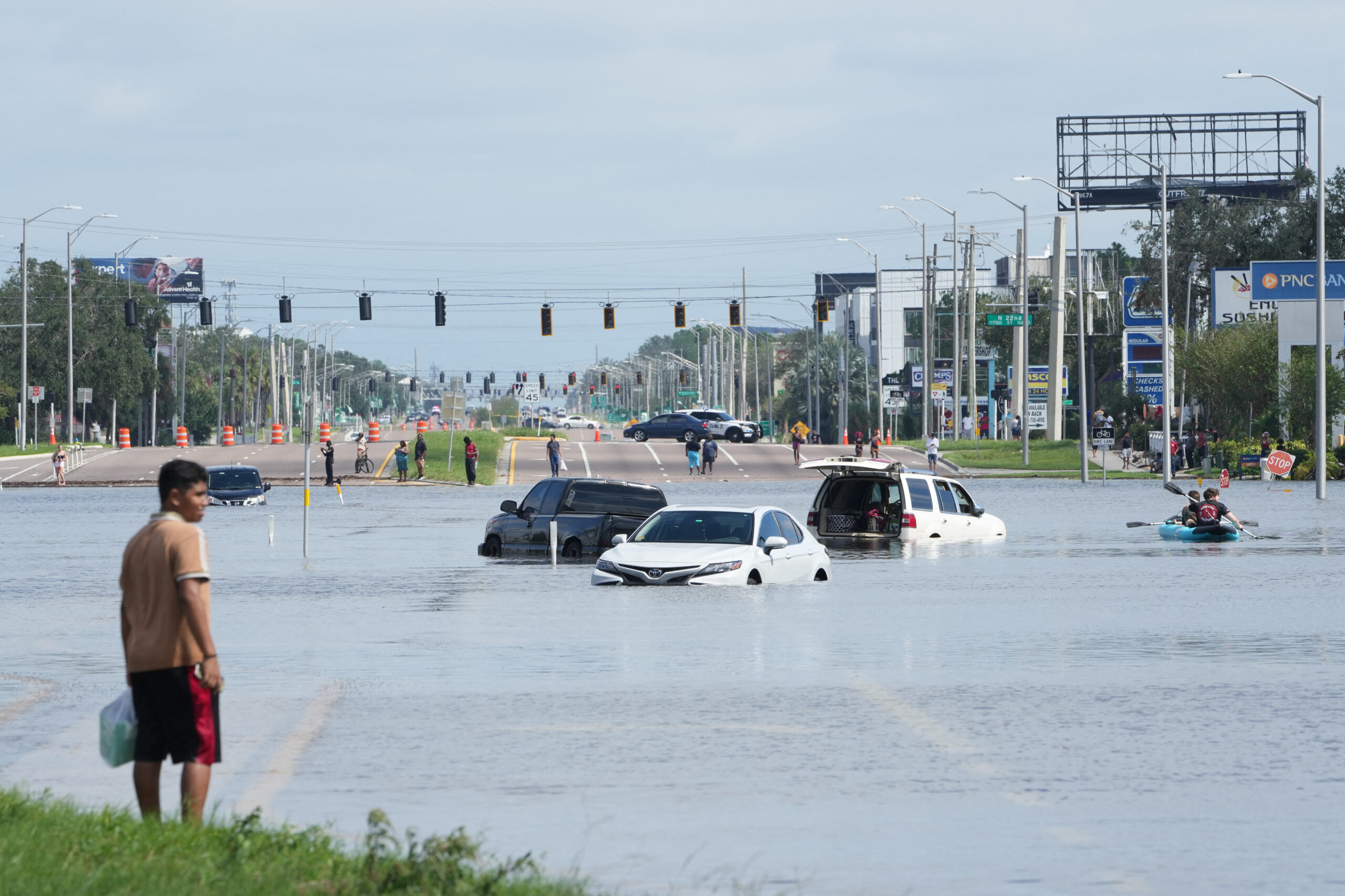
Alongside the persistent heat, forecasters predict spotty storms on Wednesday. These storms may provide temporary relief from the heat but could also bring sudden heavy rain and lightning. Being prepared for sudden weather changes is essential, especially as summer progresses and such weather events become more frequent. The National Weather Service provides regular updates for safety information.
Why Is New Jersey Experiencing Repeated Heat Waves?
Heat waves occur when high-pressure systems trap hot air in an area for an extended period. New Jersey’s location in the mid-Atlantic region often puts it in the path of warm air masses from the south. This year, climate patterns and global warming have contributed to more frequent and intense heat waves across the U.S.
According to the National Oceanic and Atmospheric Administration (NOAA), climate change is increasing the likelihood of such extreme weather events. Heat waves not only affect daily life but also impact agriculture, energy usage, and public health. Local governments issue heat advisories to help communities prepare and respond effectively.
Spotty Storms Could Bring Temporary Relief
While the heat is expected to continue, meteorologists forecast scattered showers and thunderstorms on Wednesday. These spotty storms may cool down some areas temporarily but also carry risks such as flash flooding and lightning strikes. It is important to stay informed through trusted weather updates and take shelter during severe weather conditions.
The Weather Channel advises residents to plan outdoor activities carefully and be cautious if storms appear sudden. Always have a plan to reach a safe place indoors and avoid using electronic devices during storms.
Health Tips to Handle the Heat Wave
Hot weather can be dangerous, especially for children, the elderly, and people with certain medical conditions. Some basic tips to stay safe during this heat wave include drinking plenty of water, wearing light and loose clothing, and avoiding strenuous activities during midday.
Cooling centers and public pools may be open in some areas to help residents beat the heat safely. According to the Centers for Disease Control and Prevention (CDC), heat exhaustion and heat stroke can be life-threatening if not recognized and treated early. It’s important to watch for warning signs such as dizziness, headache, and rapid heartbeat.
Preparing Your Home for Extreme Heat
Keeping your home cool during a heat wave can reduce health risks and improve comfort. Use fans, close blinds or curtains during the hottest parts of the day, and avoid using heat-generating appliances like ovens. If you have air conditioning, make sure it is in good working order before the heat peaks.
Also, check on vulnerable neighbors or family members who may need extra help. Emergency services may experience higher demand during heat waves, so being prepared can ease pressure on local systems. Simple steps can make a big difference in how safely you cope with extreme temperatures.
Looking Ahead: What This Means for New Jersey’s Summer
Experts suggest that New Jersey could see more heat waves and unpredictable storms moving forward, making it crucial for residents to stay informed and prepared. Climate trends point toward a hotter and more volatile summer season, highlighting the importance of community awareness and resilience.
Following updates from reliable sources like the New Jersey State Government and local weather offices can help you plan your days and stay safe. Being proactive about heat safety and weather readiness will help everyone enjoy the summer while minimizing risks.