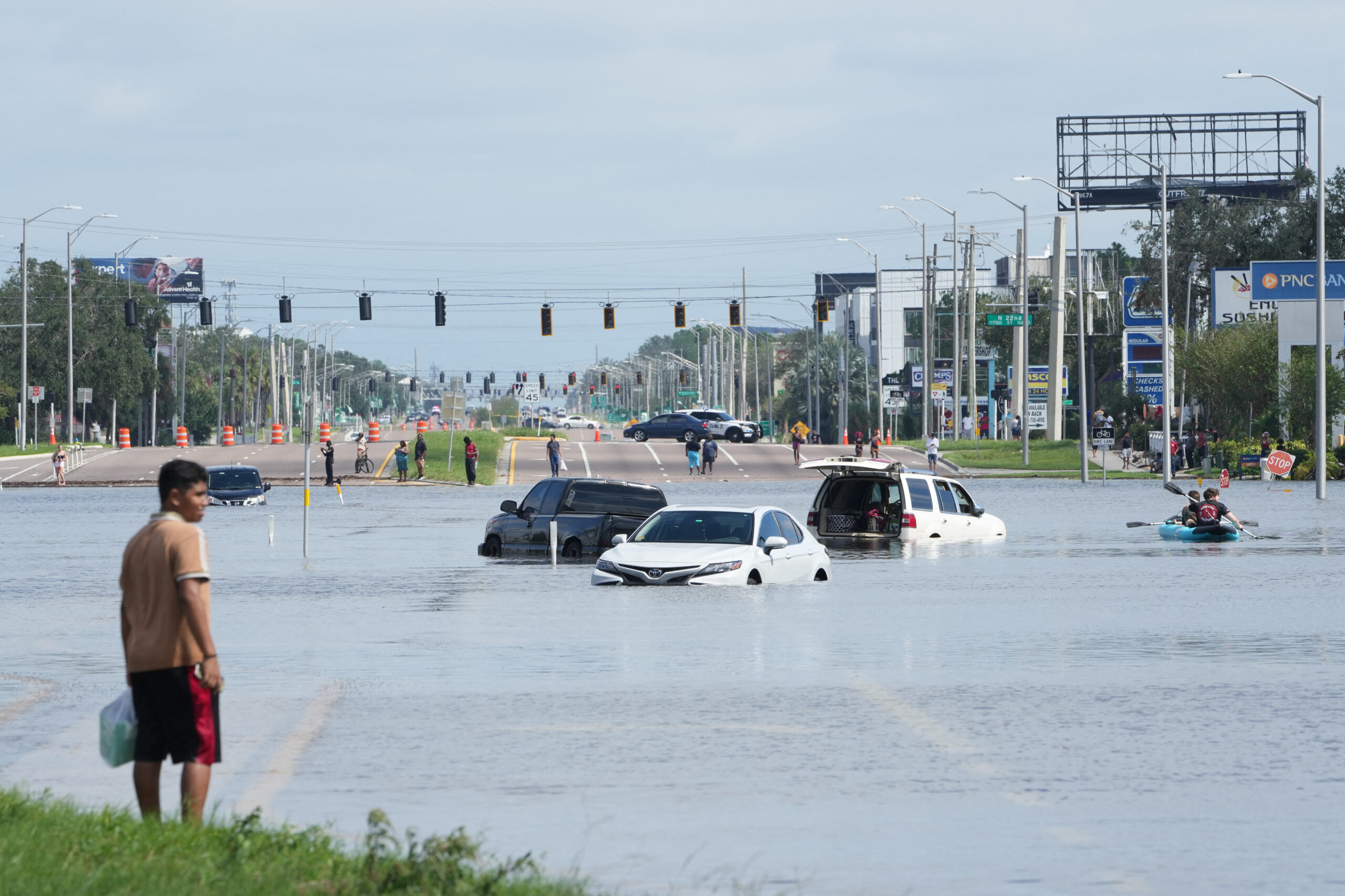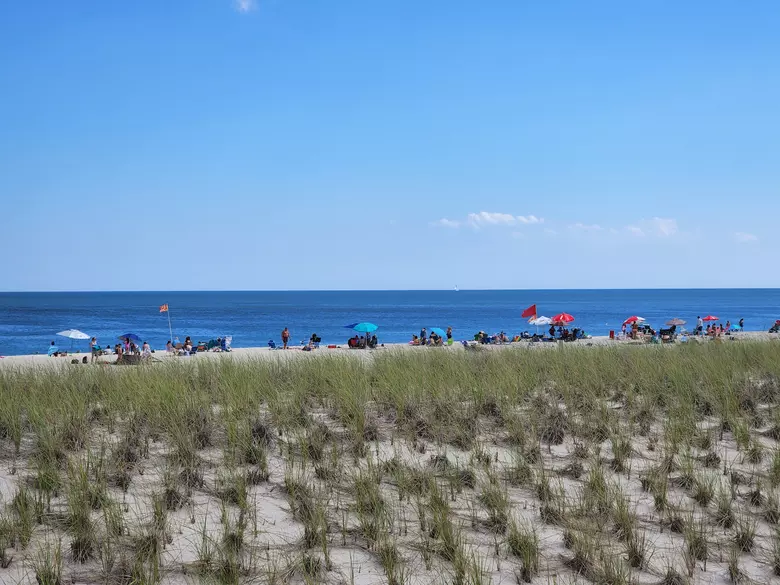

A strong nor’easter recently battered Cape Cod, Massachusetts, leaving behind a trail of damage and raising concerns about coastal erosion risks. Nor’easters are intense storms common in the northeastern US, bringing heavy rain, strong winds, and dangerous waves. This latest storm has highlighted how vulnerable Massachusetts’ coastline is to natural forces.
The powerful winds and high tides from the storm caused significant erosion along the beaches of Cape Cod. Coastal erosion can lead to loss of property, harm to wildlife habitats, and costly repairs. Experts warn that storms like this one may become more frequent due to climate change, making it vital to understand and address these risks swiftly.
What Is Coastal Erosion and Why Is It a Problem?
Coastal erosion happens when waves, tides, and currents wear away the land along the shore. This process can slowly or quickly reshape the coastline. In places like Cape Cod, which has sandy beaches and dunes, erosion can be especially severe. It threatens homes, roads, and natural areas important for tourism and fishing.
For younger audiences, imagine the shoreline as a sandbox by the sea. When the waves are very strong during a storm like a nor’easter, the sand gets pulled back into the water, making the beach smaller. This not only changes the beautiful scenery but also removes natural barriers that protect inland areas.
The Impact of the Recent Nor’easter on Cape Cod
The nor’easter that recently hit Cape Cod brought heavy rainfall, gusty winds above 60 miles per hour, and storm surges that raised water levels significantly. According to the National Oceanic and Atmospheric Administration (NOAA), these conditions accelerated erosion, damaging dunes and beachfront properties.
Local officials have reported that some parts of the coastline lost several feet of sand in just a few hours. The negative effects are not limited to erosion; flooding and disrupted transportation were also major concerns. The storm showed how quickly coastal areas can change and why protection measures are critical.
Climate Change and Increasing Storm Risks
Scientists say climate change is making storms more violent and sea levels higher. This trend increases the threat of coastal erosion in places like Massachusetts. Rising sea levels mean that even smaller storms can cause bigger damage than before.
The NASA Climate Change website explains that warmer oceans fuel stronger storms, while melting ice adds more water to the seas. Both factors combine to make coastal erosion more severe and frequent, affecting millions who live near the coast.
Steps Massachusetts Is Taking to Protect Its Shores
In response to these challenges, Massachusetts has started investing in coastal resilience projects. These include strengthening dunes, building seawalls, and restoring wetlands that help absorb storm impacts. Cape Cod, in particular, has several ongoing programs aimed at reducing erosion and protecting homes.
The state’s Department of Environmental Protection encourages community involvement to monitor changes and promote sustainable practices. Awareness and education play key roles, helping locals and visitors understand how to minimize human impact on the fragile coastline.
What Can Young People Learn from This?
For young readers, the situation on Cape Cod is a clear example of how nature’s power affects human life and how important it is to protect our environment. Coastal erosion teaches lessons about climate change, weather patterns, and the need for sustainable living.
Being aware of the risks and supporting preservation efforts contributes to a safer future. Small actions like reducing waste, supporting green policies, and respecting natural habitats help in the long run. It’s about understanding that every choice matters when it comes to protecting our planet’s coasts.
Conclusion: Preparing for the Future of Coastal Communities
The recent nor’easter’s impact on Cape Cod is a strong reminder that coastal erosion is a real and growing problem in Massachusetts. With storms becoming more intense and sea levels rising, both authorities and individuals must work together to find solutions.
By combining science, community action, and smart policies, there is hope to reduce the risks and protect coastal areas for future generations. Staying informed, supporting environmental efforts, and adapting to changing climates are key steps to safeguarding coastlines like Cape Cod’s.