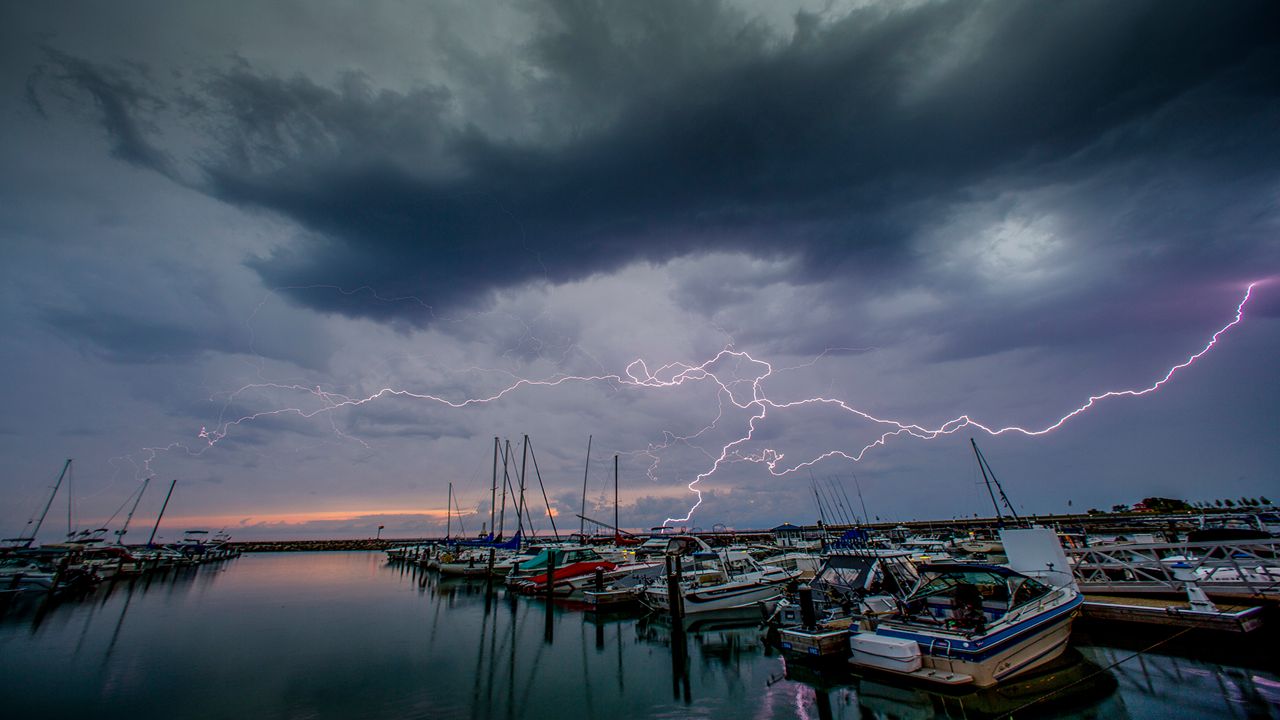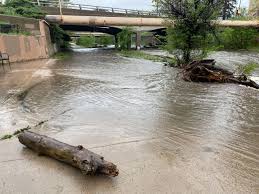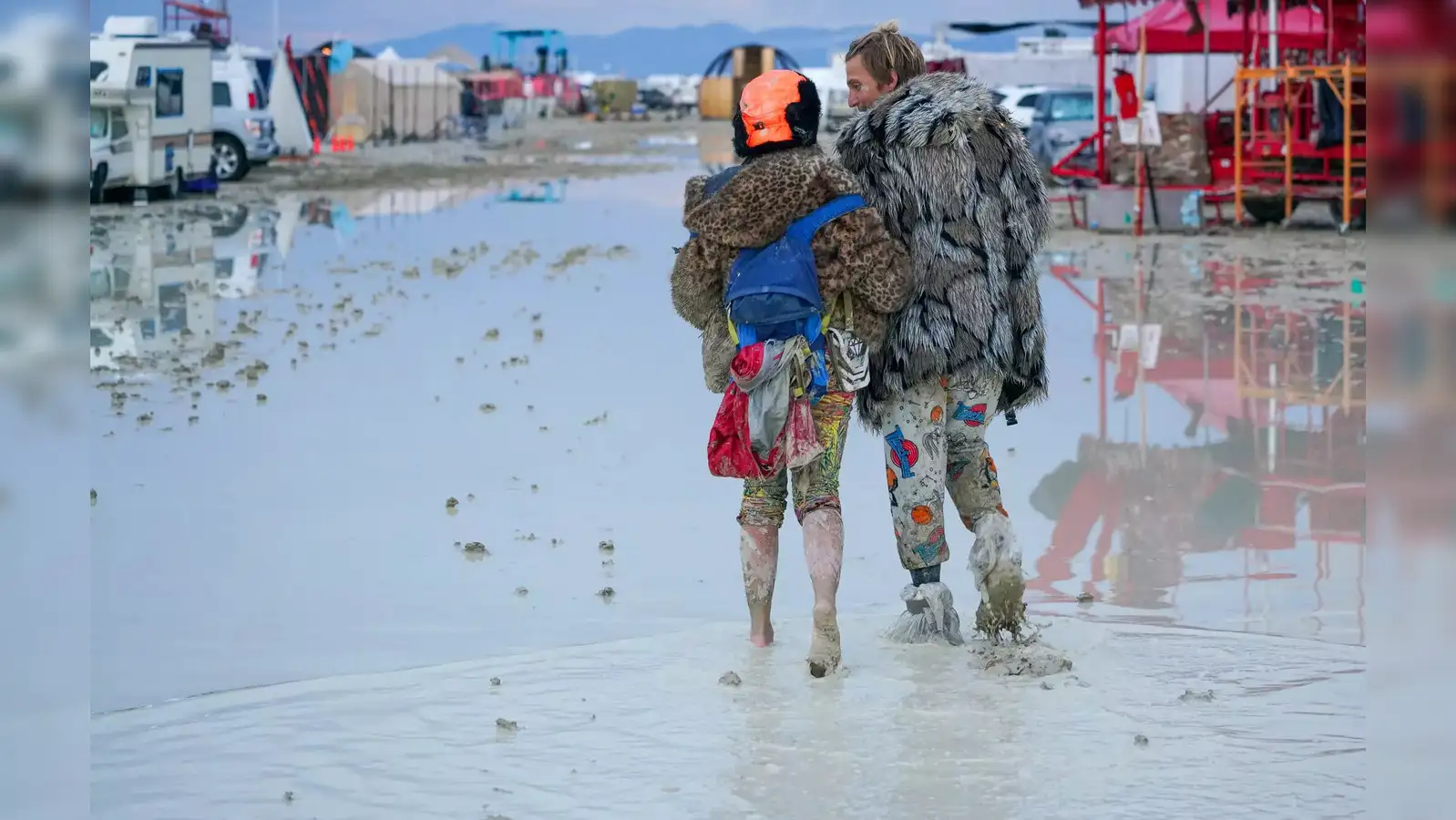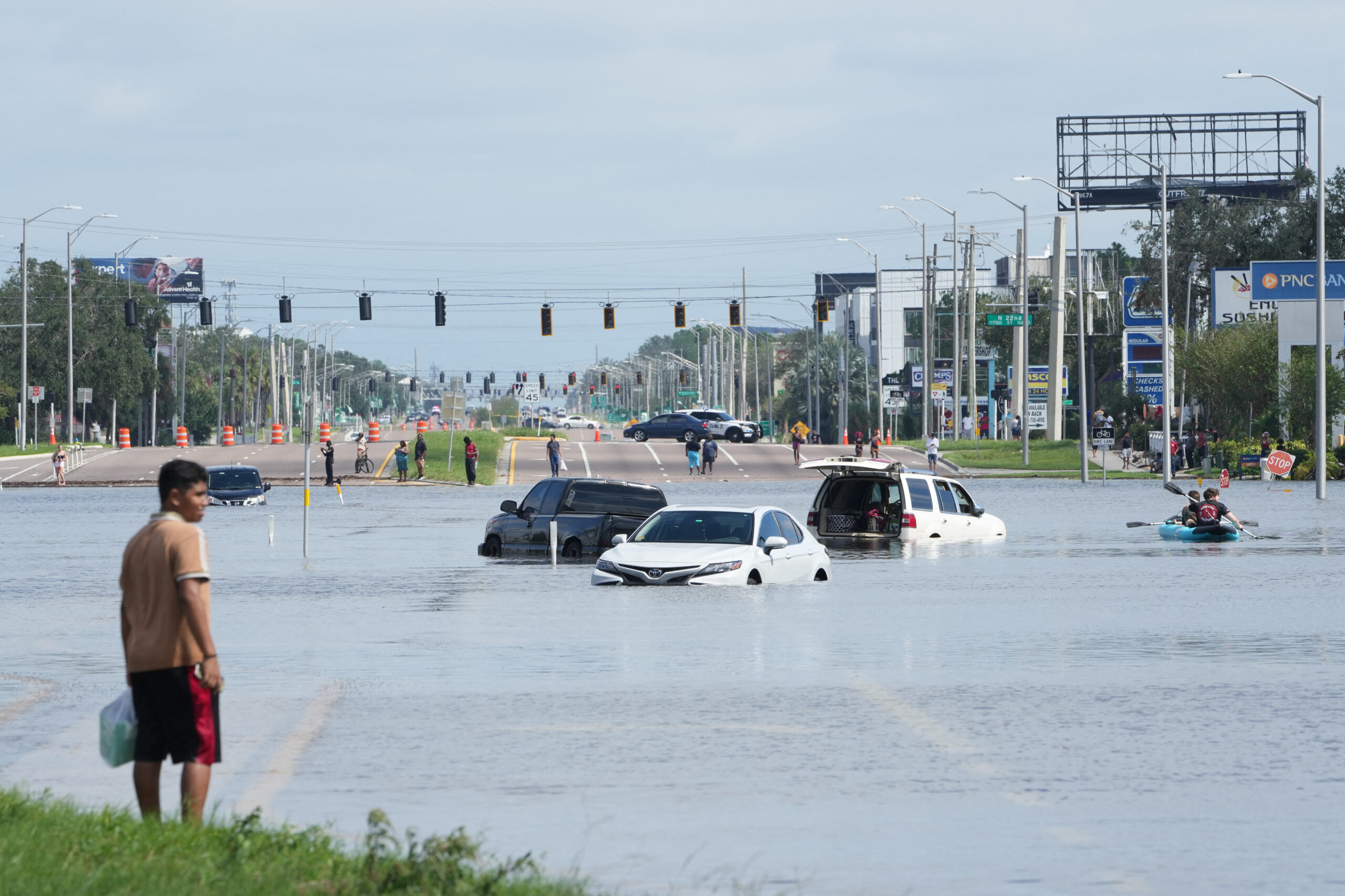
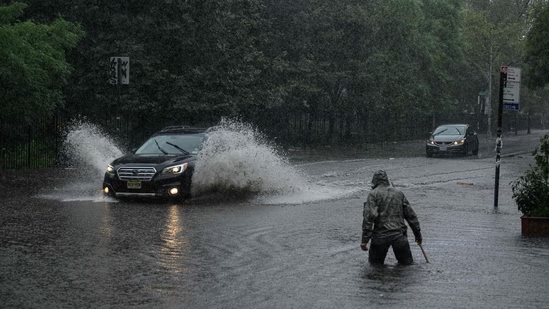
New York City faced severe flooding as dangerous weather alerts prompted emergency warnings affecting three major boroughs. Heavy rains caused waterlogged streets and disrupted daily life, catching many residents off guard. The sudden downpour not only increased the risks of accidents but also overwhelmed the city’s drainage systems, leading to significant water accumulation in low-lying areas.
The situation escalated quickly, prompting authorities to issue safety advisories and urge people to stay indoors. Navigating flooded roads became a challenge, impacting commuting and essential services. Understanding the seriousness of these conditions is crucial, especially for younger readers who might be unfamiliar with how urban flooding can affect city life.
Weather Conditions Causing NYC Flooding
The flooding in New York City’s boroughs—specifically Brooklyn, Queens, and the Bronx—was triggered by a sudden intense storm system. According to the National Weather Service (weather.gov), the storm dropped over three inches of rain within a few hours, much more than the drainage systems are designed to handle. This caused flash flooding in many neighborhoods, disrupting transportation and daily activities.
Such rainstorms are becoming more common, experts say, due in part to changing climate patterns that bring more intense and unpredictable weather events. The city’s infrastructure struggles to keep up with these changes, leading to increased risks during heavy rains.
Impact on Transportation and Daily Life
The flooding caused severe disruptions to New York City’s public transport systems. Several subway stations were temporarily closed, and numerous roads were blocked due to high water levels. Commuters faced long delays and had to find alternative routes, creating widespread frustration.
Officials reminded residents through the NYC Emergency Management site (nyc.gov) to avoid driving through flooded streets as water levels can stall vehicles and cause dangerous conditions. Many schools and businesses reported closures or early dismissals to protect people from the hazardous weather.
Authorities’ Response and Safety Tips
Emergency services responded quickly to the flooding with rescue teams on standby, and the city’s flood warning system was activated to alert vulnerable areas. Officials urged residents to monitor updates and follow evacuation instructions if given.
For safety, residents are advised to stay away from standing water, avoid driving or walking through flooded areas, and keep emergency kits ready. The Federal Emergency Management Agency (fema.gov) recommends preparing for such weather events by knowing local shelter locations and having communication plans in place.
Looking Ahead: Preparing for Future Flood Risks
As urban flooding becomes a more frequent challenge, NYC officials emphasize the need for infrastructure upgrades and better flood management systems. Investment in green spaces, improved drainage, and public awareness campaigns can help reduce risks and improve safety.
Younger generations should become aware of these environmental changes and be prepared to respond intelligently to weather warnings. Staying informed, following official advice, and supporting community initiatives can make a big difference in handling similar events in the future.
Conclusion
The recent flooding across Brooklyn, Queens, and the Bronx serves as a strong reminder of the dangers posed by extreme weather. While New York City copes with these challenges today, it’s vital for residents, especially young people, to be aware and prepared for such emergencies.
Staying updated through reliable sources like the National Weather Service, NYC Emergency Management, and FEMA can empower everyone to deal with flood situations safely and confidently.